

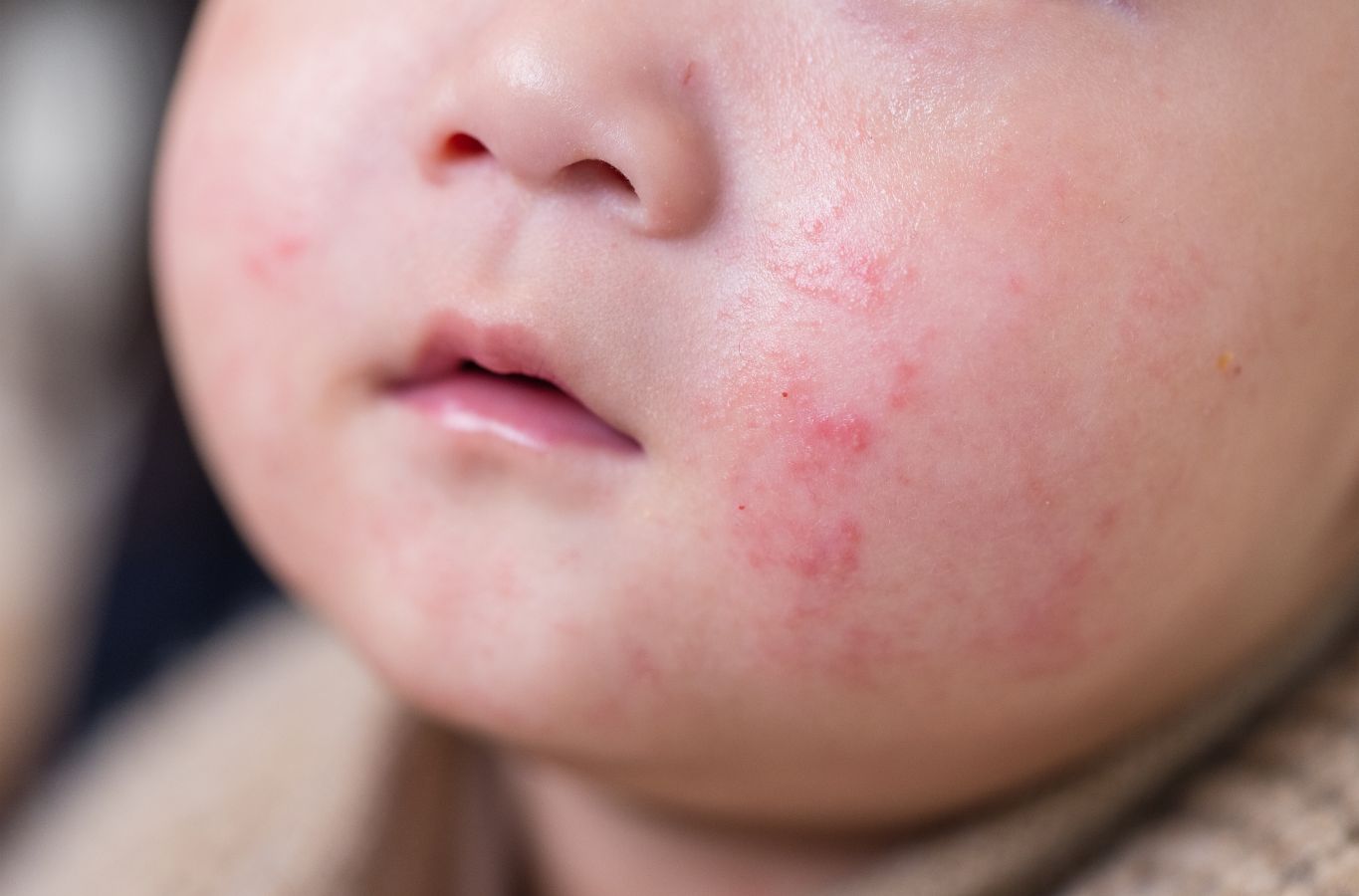
Eczema/atopic dermatitis is a chronic relapsing inflammatory condition with itchy, red, dry, and sometimes oozing patches, often linked to barrier dysfunction and allergies. Management emphasizes skin barrier repair (emollients), topical anti-inflammatories, trigger avoidance, and systemic therapies for severe cases.
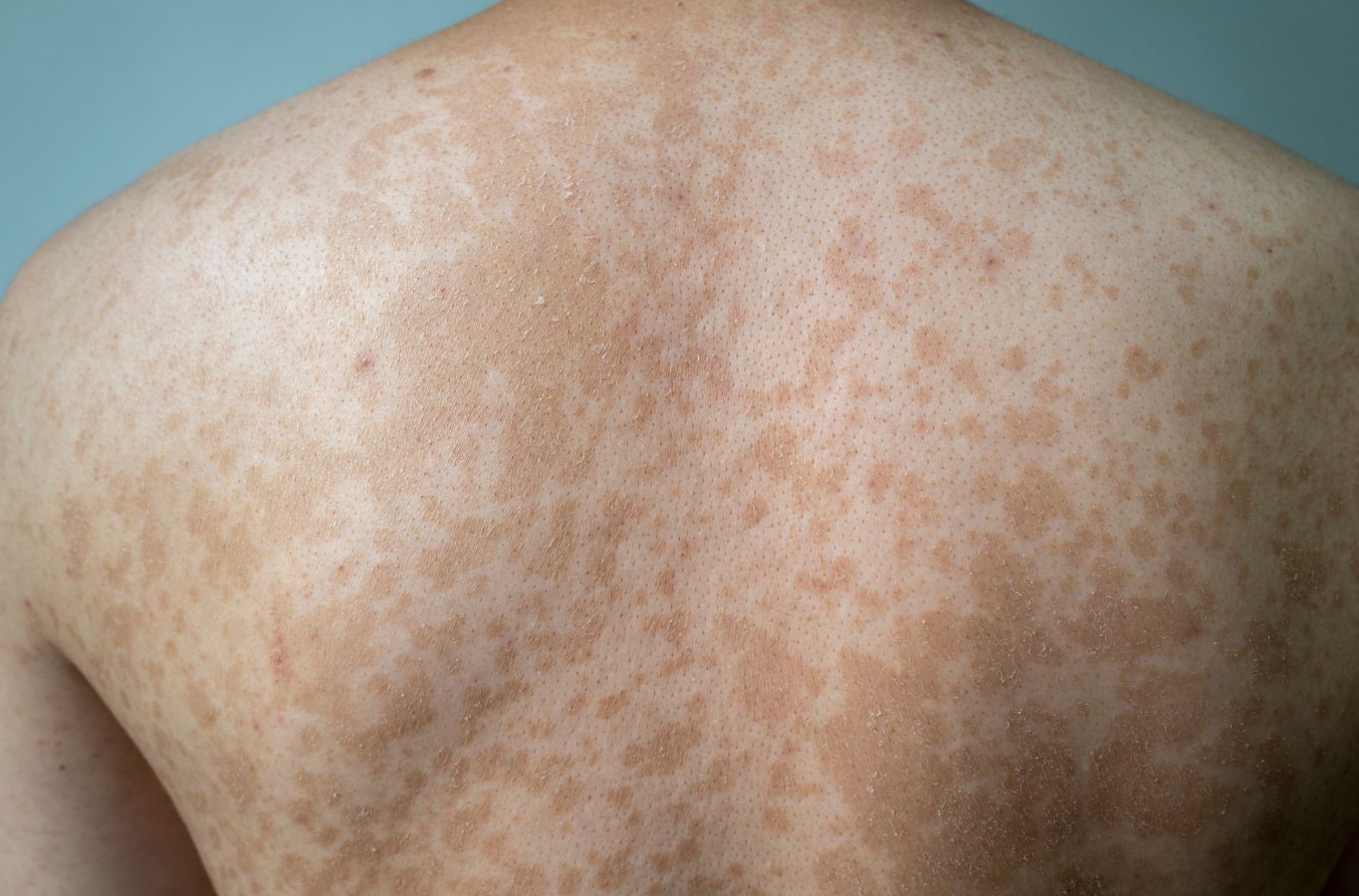
Caused by Malassezia yeast, this presents as small, variably pigmented scaly patches on the trunk and upper arms that may lighten or darken with sun. Treatment uses topical or short-course oral antifungals and maintenance to prevent recurrence.
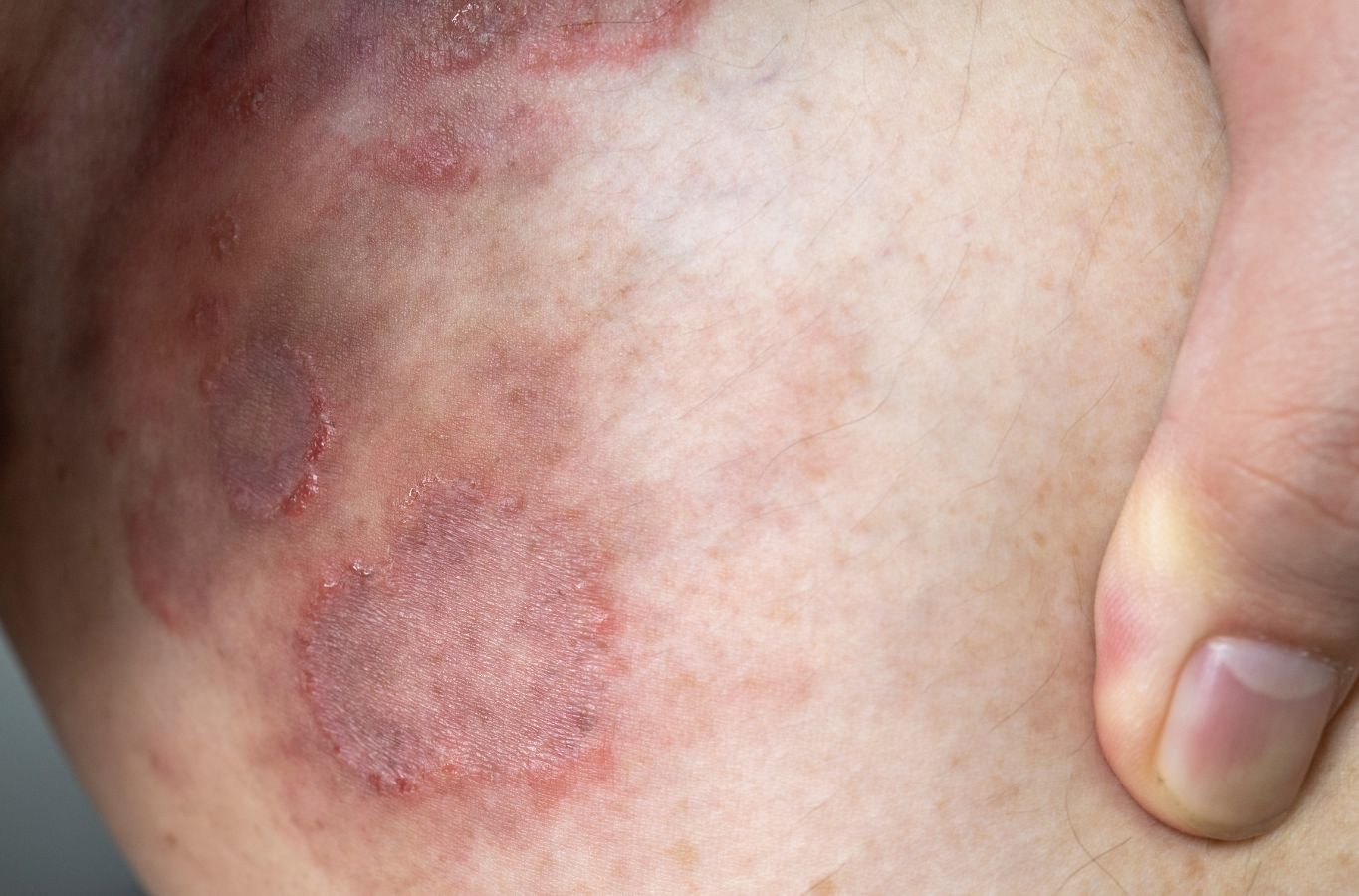
Tinea refers to superficial fungal infections (ringworm) affecting skin, scalp, nails, or body with ring-shaped, scaly lesions and itching. Antifungal creams, sometimes oral therapy for extensive or nail/scalp disease, plus hygiene and environmental measures are the mainstays.
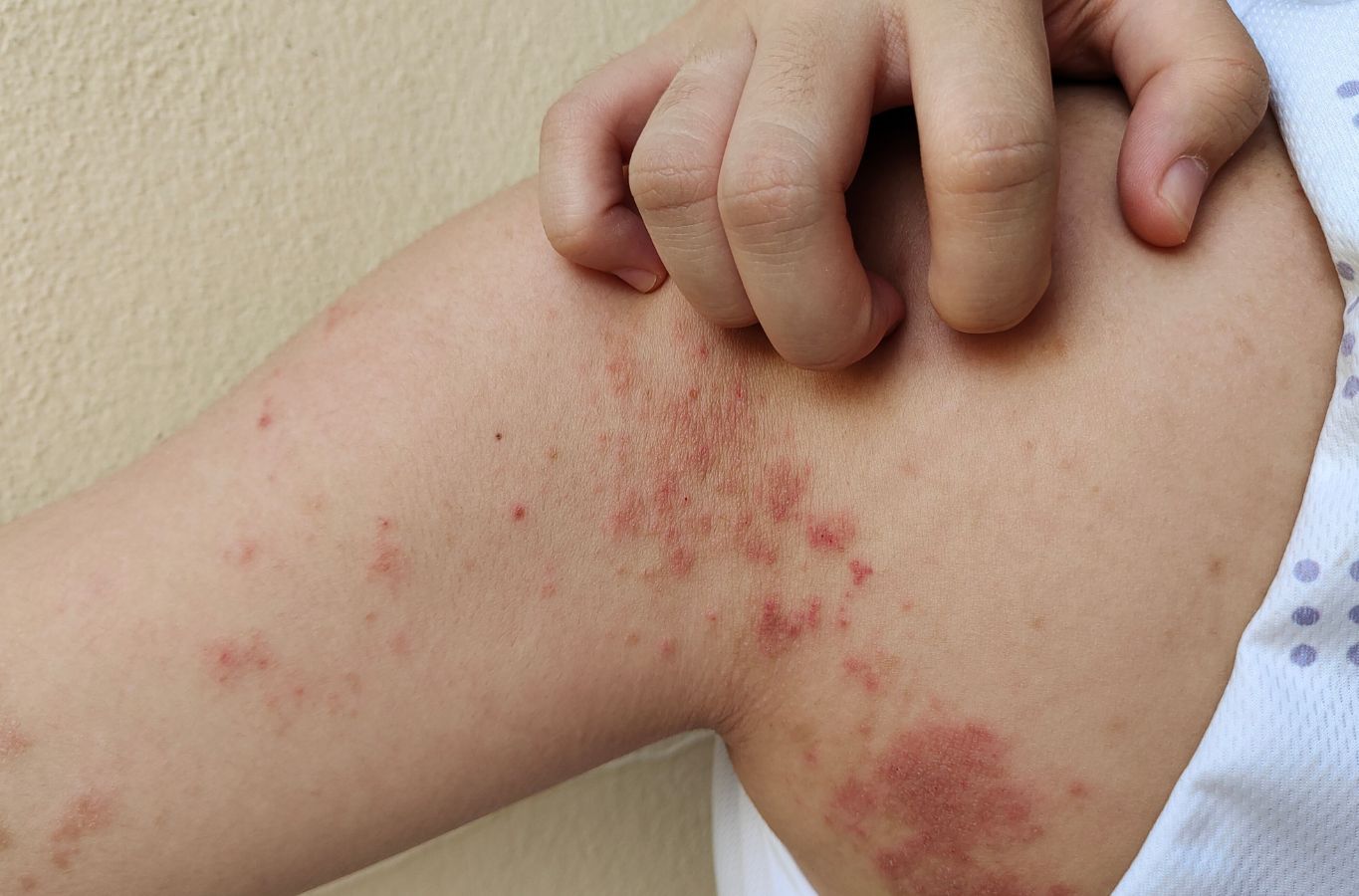
Impetigo is a contagious superficial bacterial skin infection (Staphylococcus or Streptococcus) leading to honey-colored crusts or blisters. Management uses topical or oral antibiotics and hygiene measures to prevent spread.
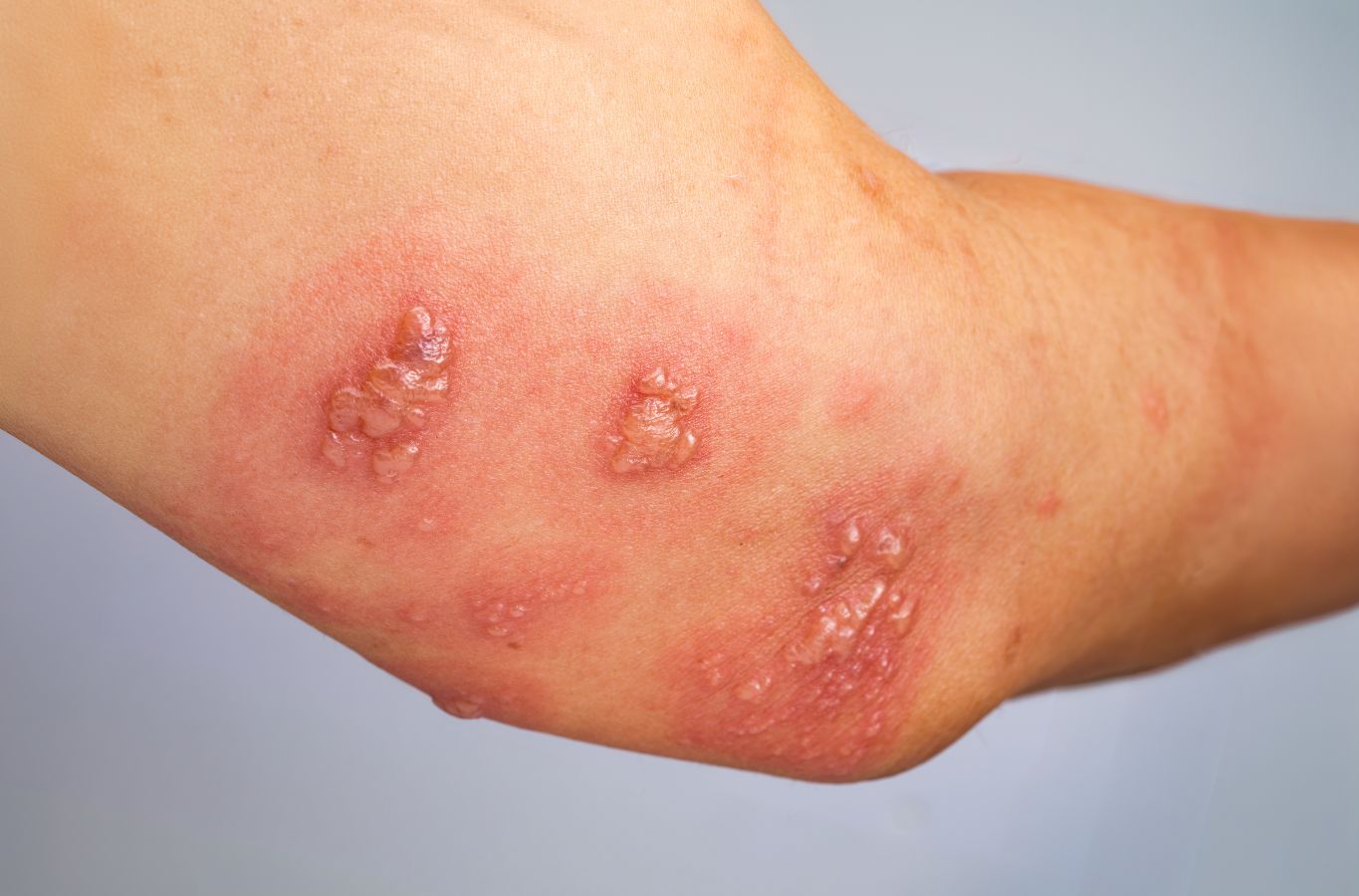
Scabies is caused by the Sarcoptes scabiei mite, producing intense itching and a characteristic burrowed rash in finger webs and flexural areas. Treatment requires topical or oral scabicides and simultaneous treatment of close contacts and laundering of bedding.
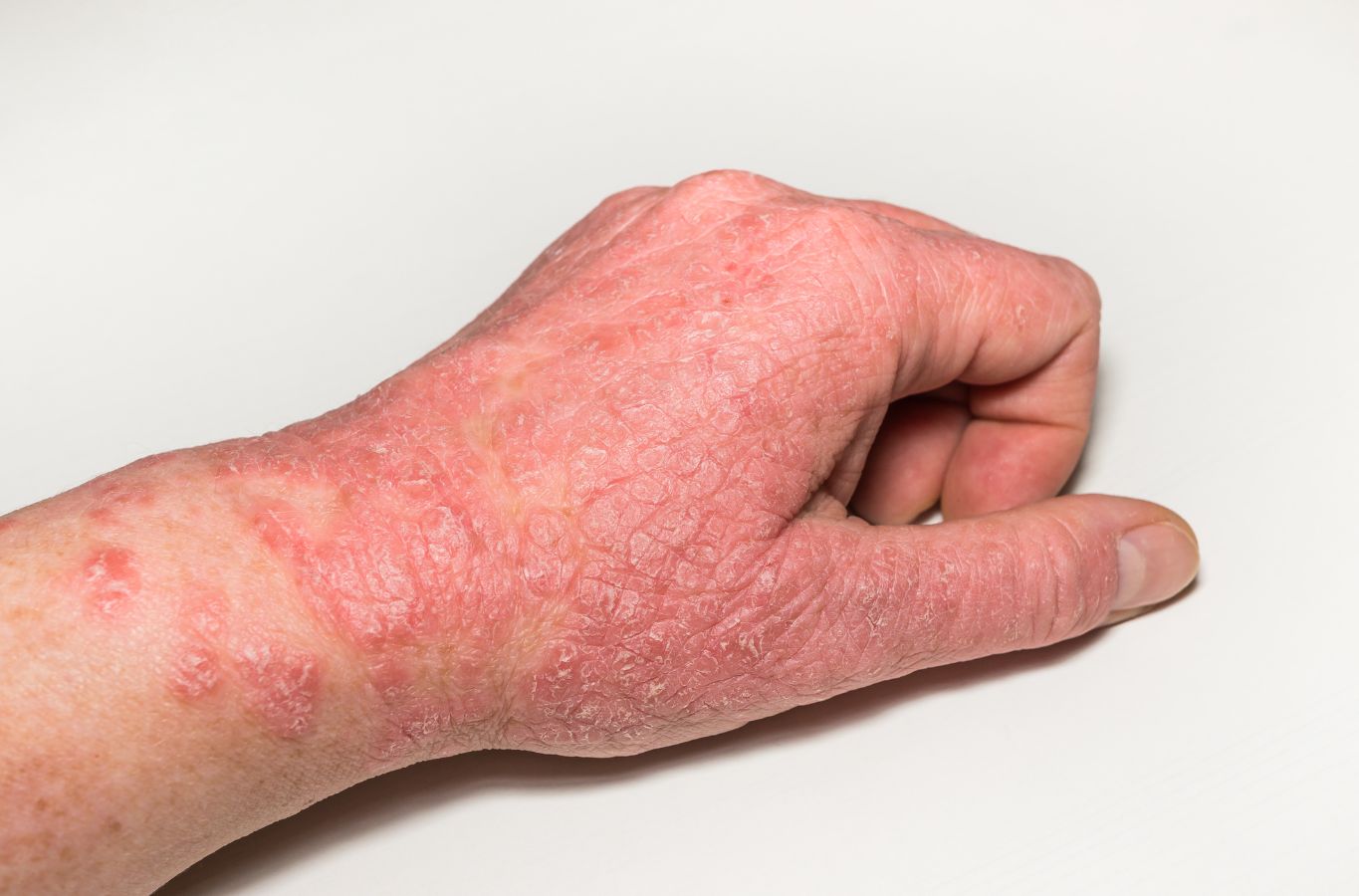
Psoriasis is a chronic immune-mediated disease producing sharply demarcated, scaly, red plaques often on elbows, knees, and scalp. Management includes topical corticosteroids, vitamin D analogues, phototherapy, and systemic or biologic agents for moderate–severe disease.
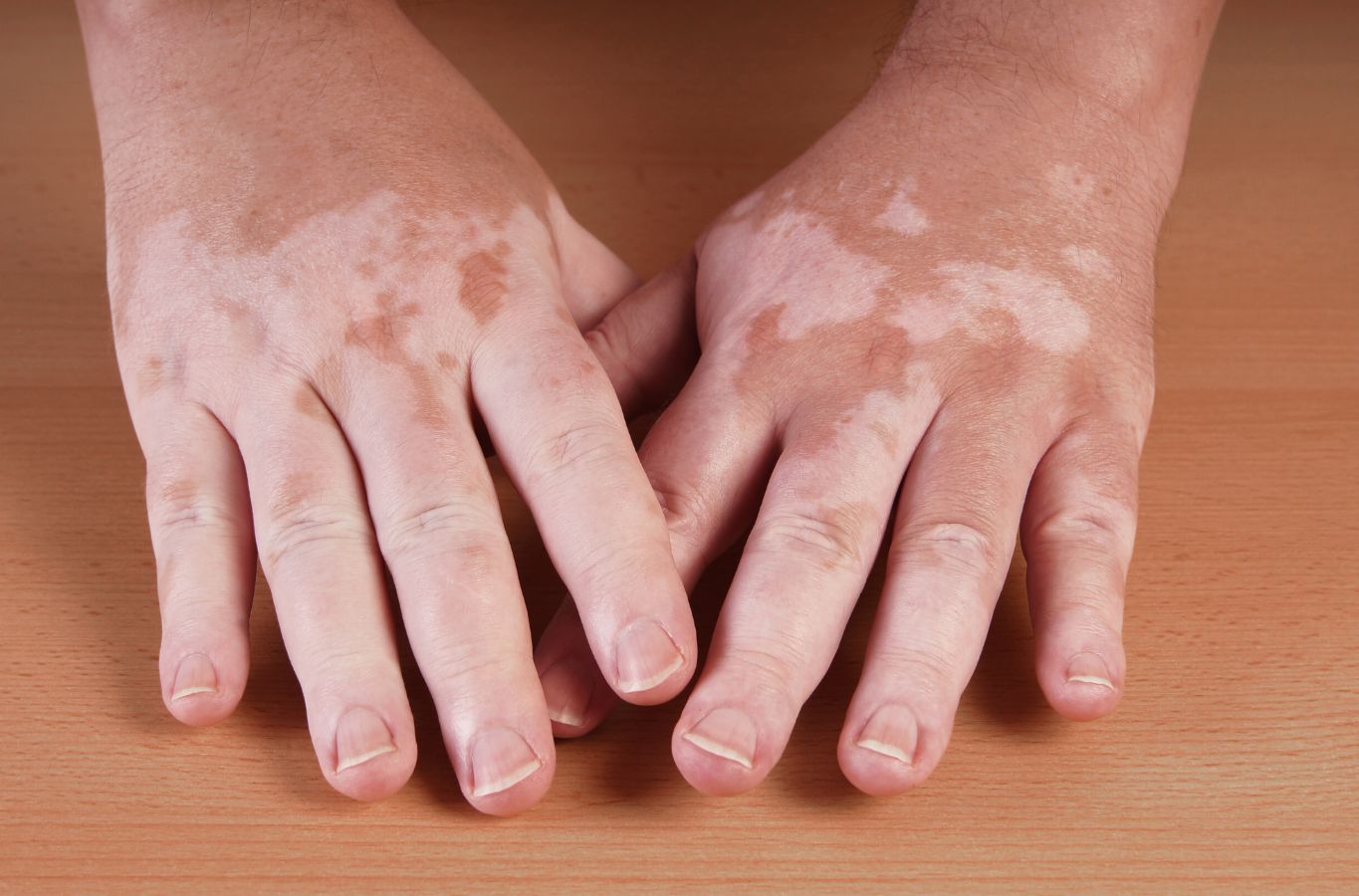
Vitiligo is an autoimmune condition causing loss of pigment-producing cells and well-defined white patches on the skin. Therapies aim to stop progression and restore color with topical immunomodulators, phototherapy, or grafting in selected patients.
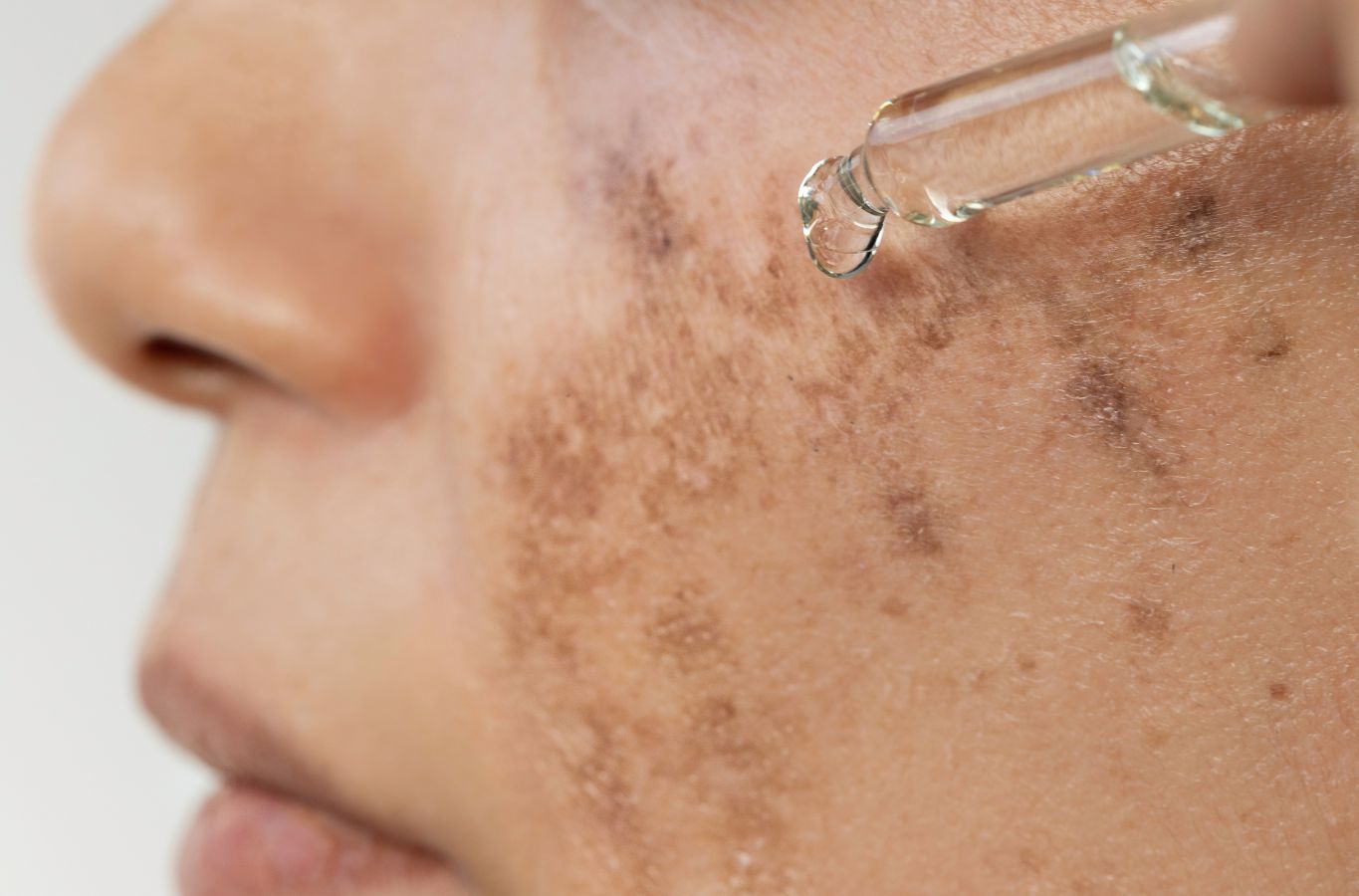
Melasma causes symmetric brown to gray-brown patches, usually on the face, often triggered by hormones and UV exposure. Treatment centers on strict sun protection, topical lightening agents, and procedural options for stubborn cases.
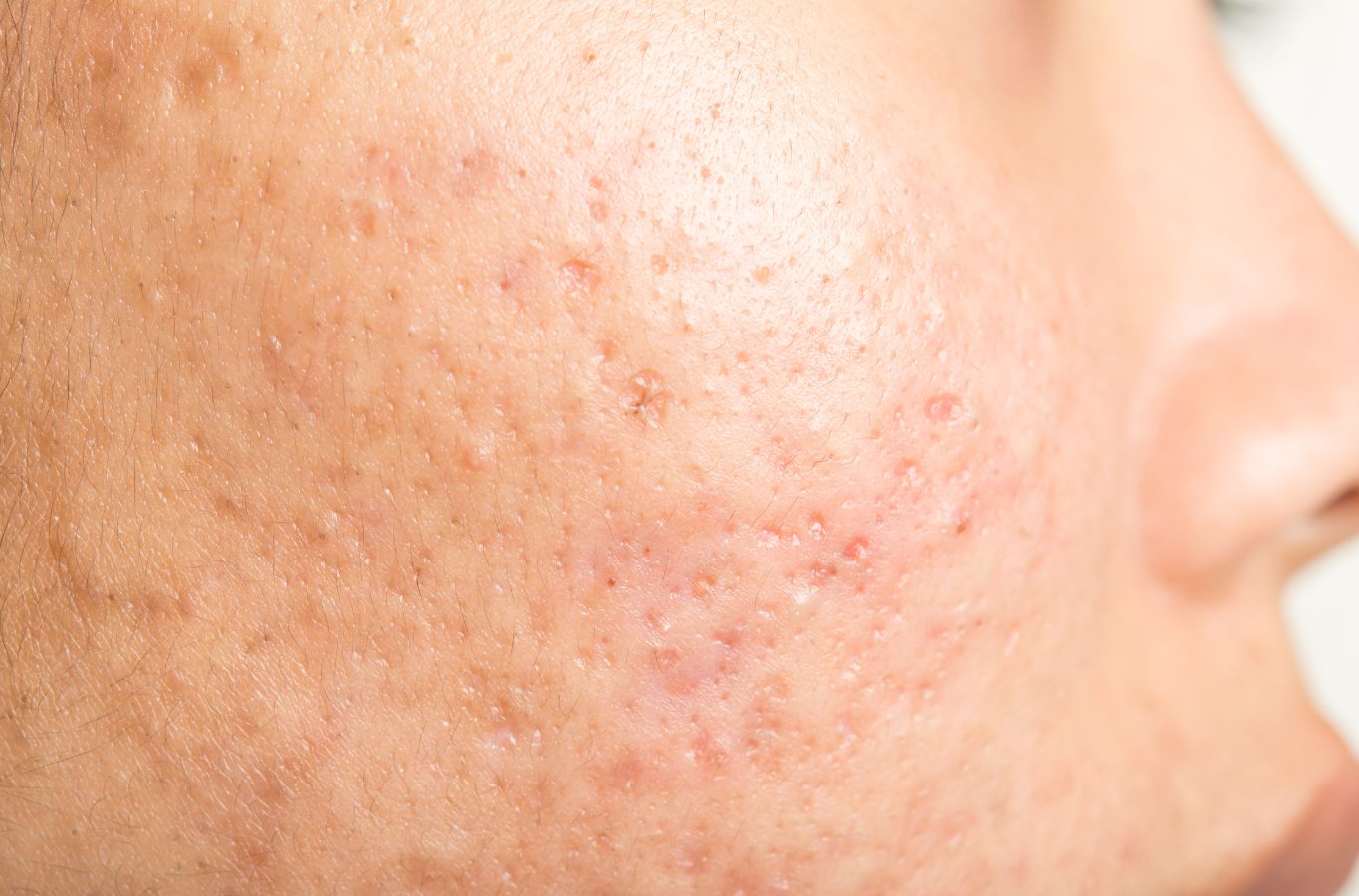
Scarring from deep or prolonged acne can produce atrophic (depressed) or hypertrophic (raised) marks and textural irregularities. Management includes resurfacing (lasers, microneedling), fillers, subcision, and topical/peel adjuncts depending on scar type.