

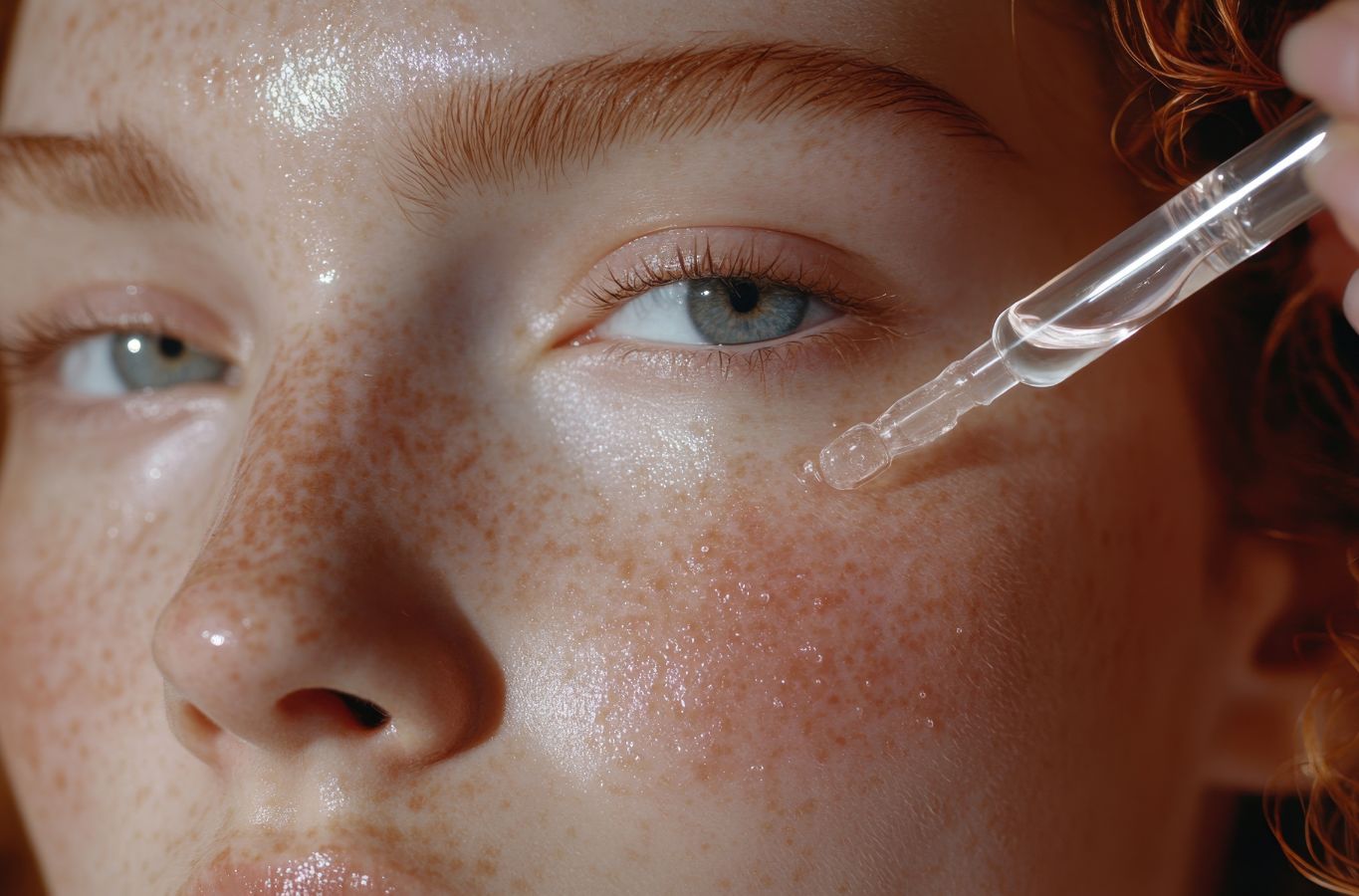
Good daily skin care includes gentle cleansing, regular moisturizing, and broad-spectrum sunscreen plus targeted actives (retinoids, vitamin C) as appropriate for your skin type. Consistent routines and sun protection are the foundation for prevention and long-term improvement.

Brightening aims for even tone and a healthy glow by reducing excess pigment, improving texture, and increasing radiance. Strategies include exfoliation, topical antioxidants and lightening agents, sun protection, and in-office procedures as needed.
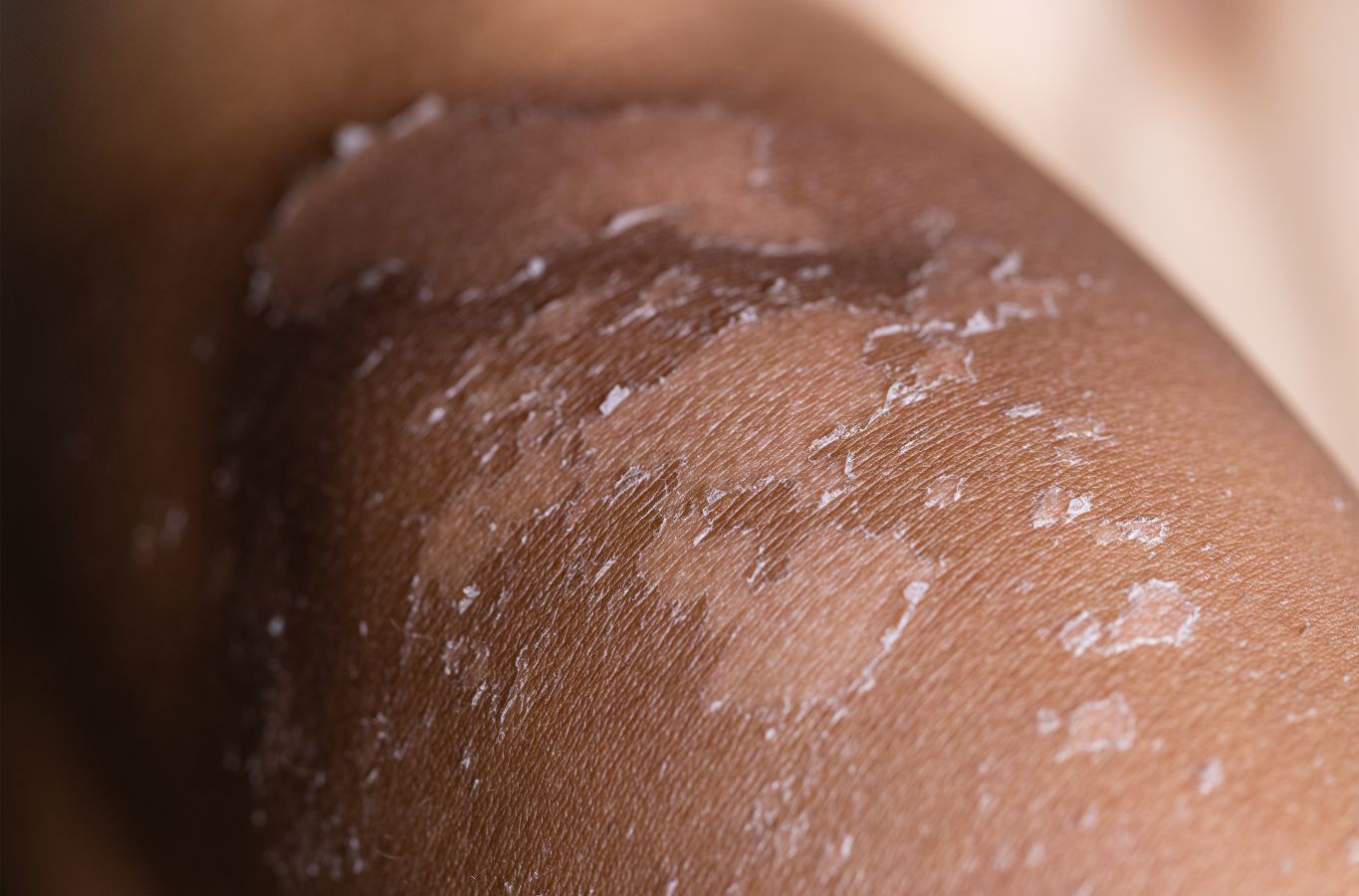
Tanning and photodamage cause diffuse darkening, uneven tone, and sometimes roughness; sun-exposed areas also show photoaging. Treatment combines sun avoidance/protection, topical lightening agents, exfoliation, and procedural resurfacing for deeper pigmentation.
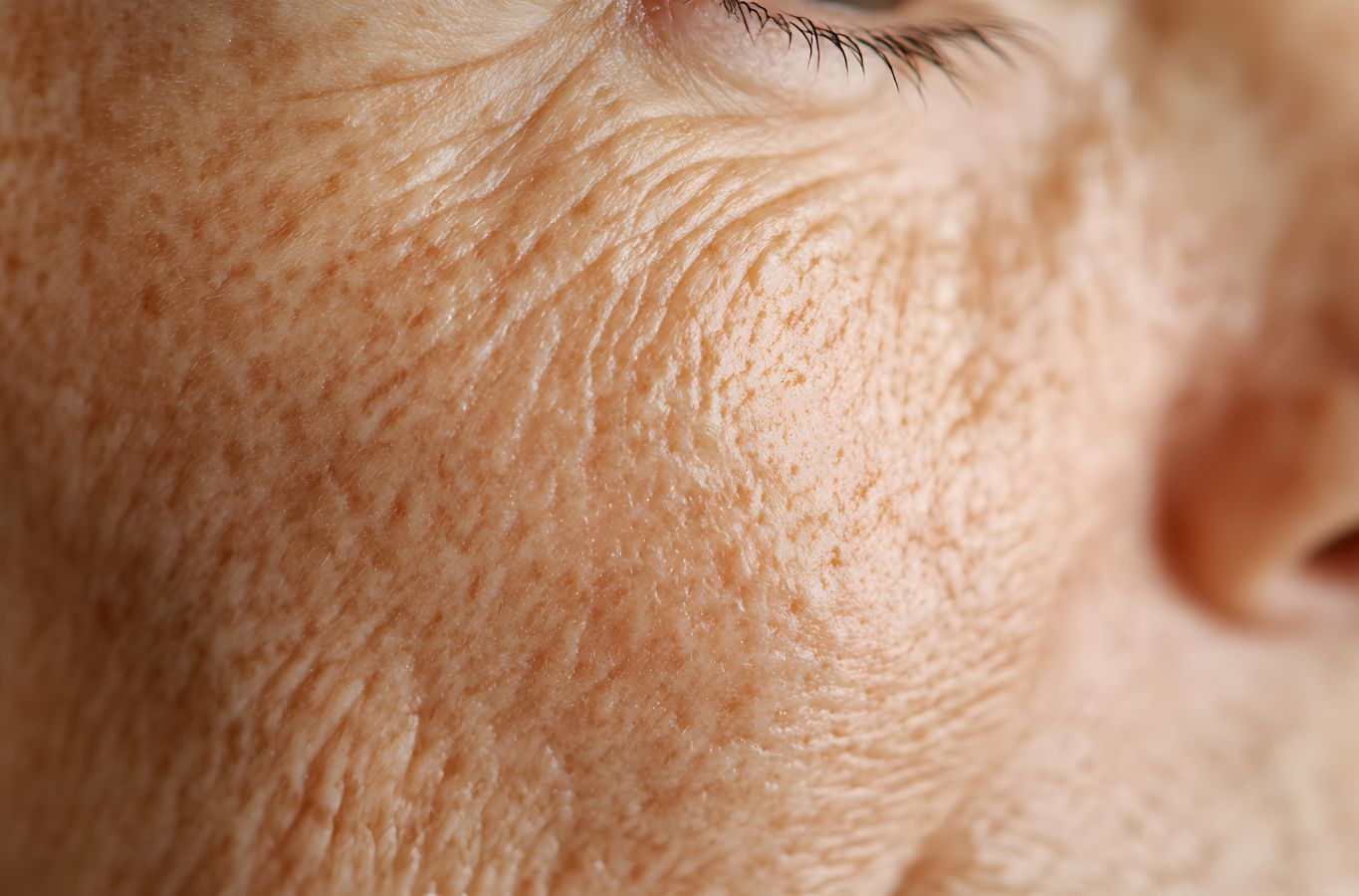
Dynamic and static lines develop from aging, sun damage, and loss of collagen and elasticity, producing creases and texture changes. Options include topical retinoids, sunscreens, chemical peels, lasers, neuromodulators (e.g., botulinum), and fillers to reduce appearance.
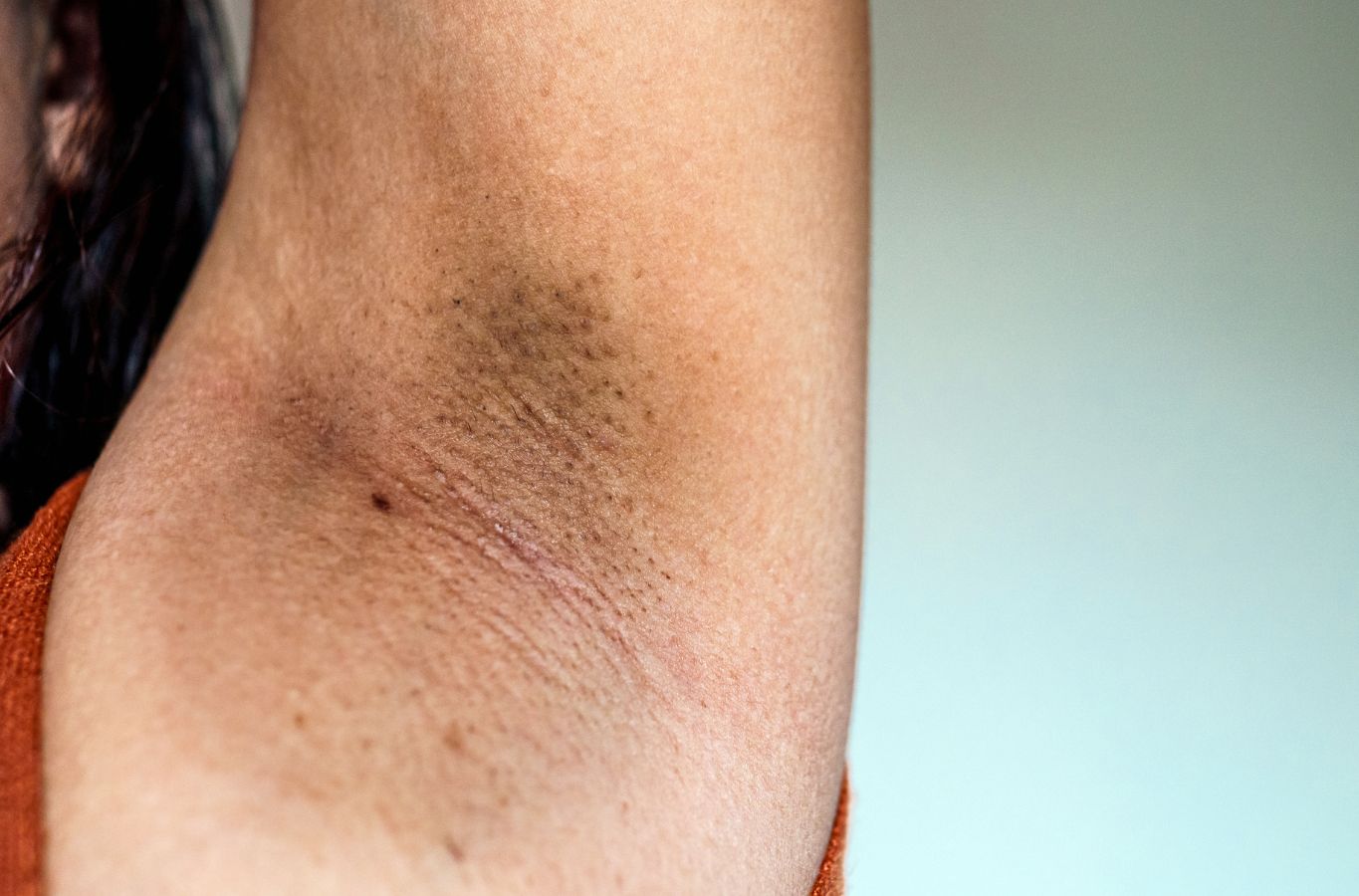
Thickened, velvety hyperpigmented skin in flexures often signals insulin resistance, obesity, or rarely internal malignancy. Management focuses on treating the underlying condition, weight loss, and topical or procedural lightening to improve appearance.
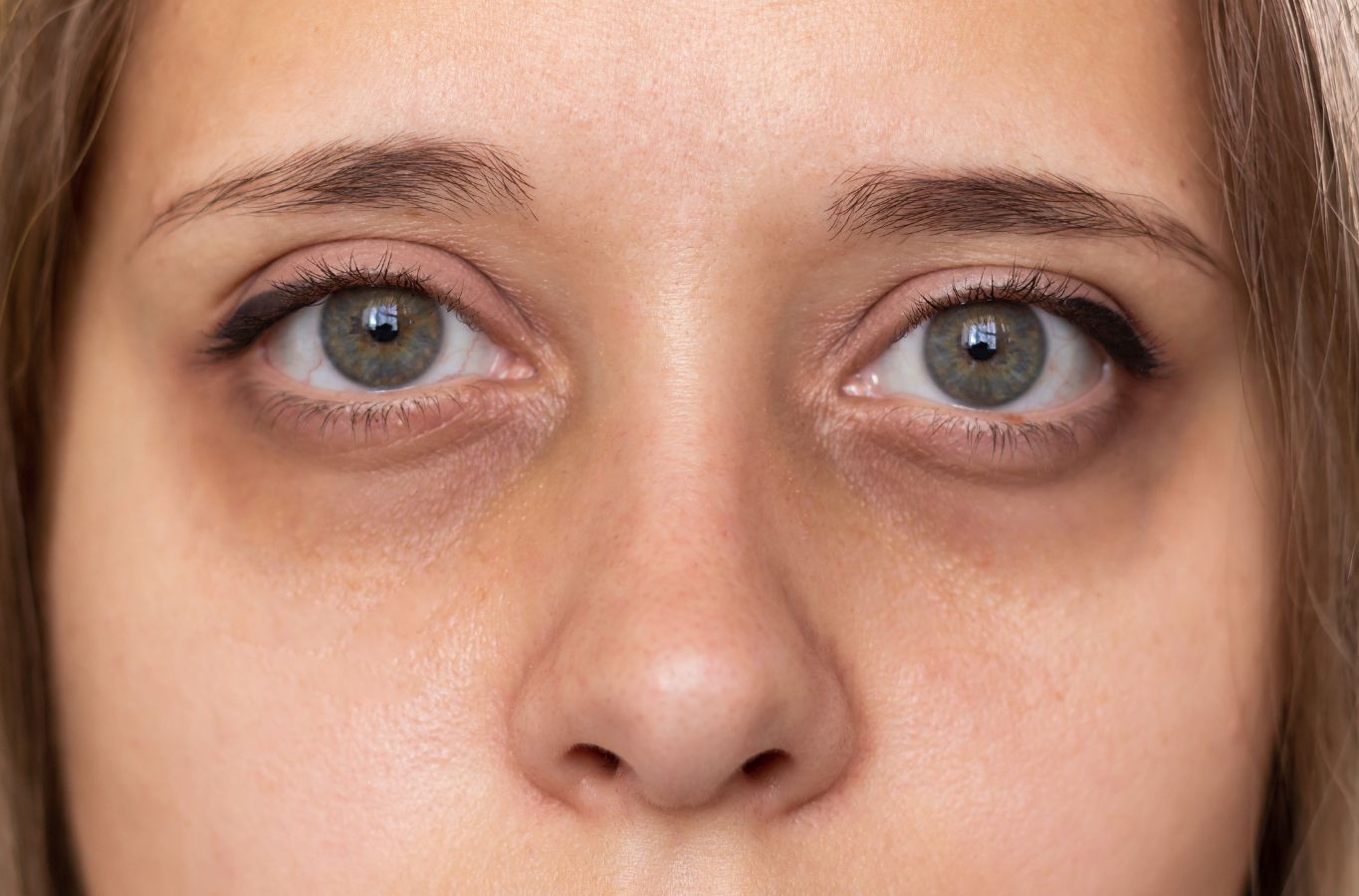
Periorbital darkening may arise from pigmentation, thin skin showing underlying vessels, or structural shadowing and can be multifactorial. Treatment depends on cause: topical lighteners, laser or filler for hollows, and lifestyle/sleep improvements.